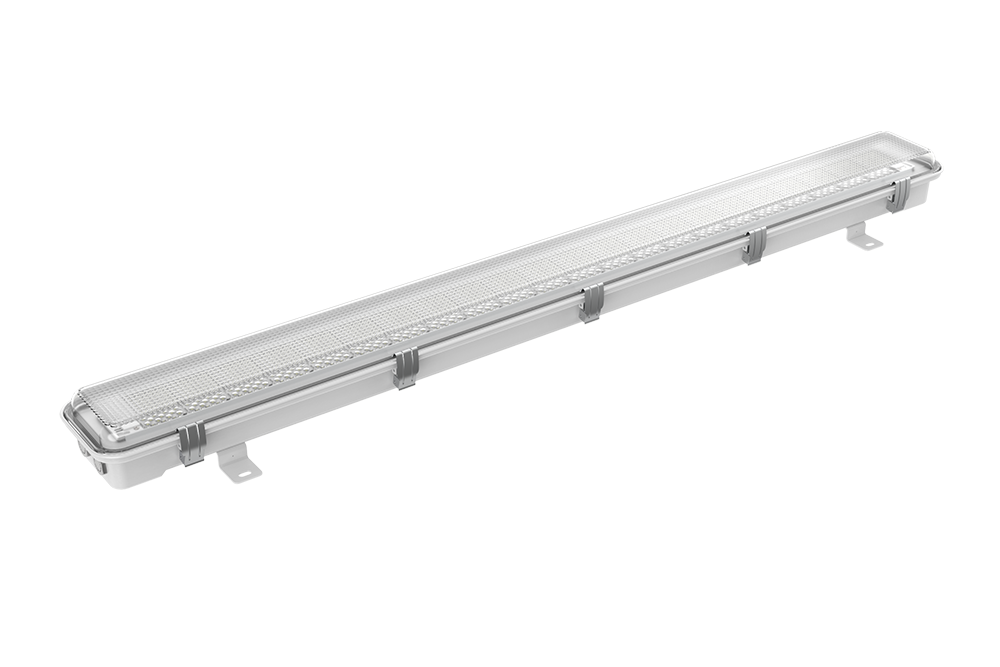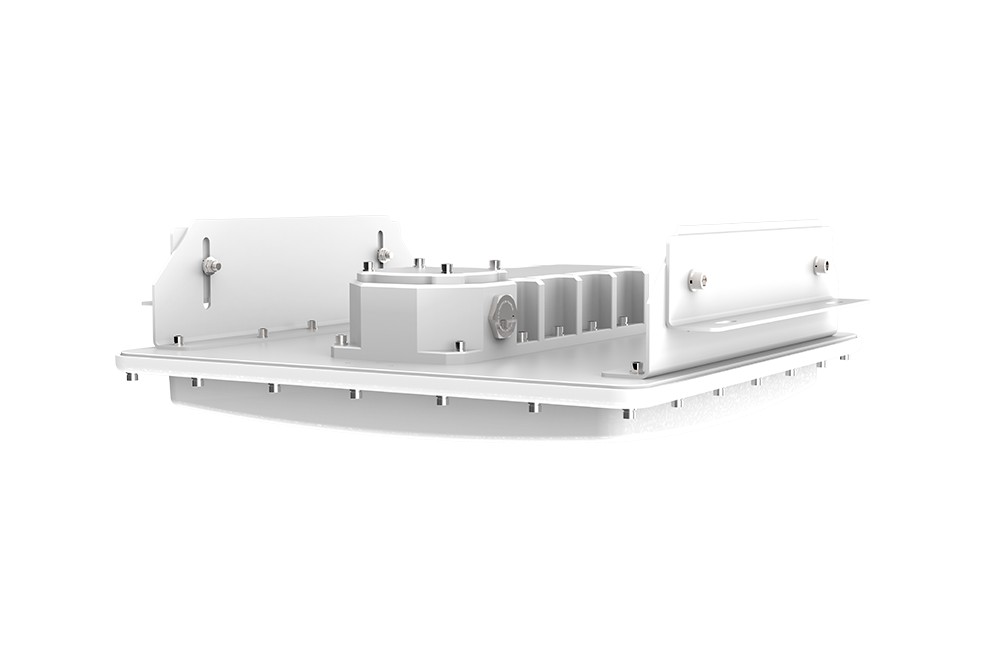
Starting aforementioned write-up discusses a solutions about ignition-resistant luminaires within engineering locations.
Conducting dependably within critical sites such as manufacturing factories involves customized devices so as to prevent foreseeable accidents. Spark-resistant fixtures are necessary parts in corresponding environments, fabricated to resist ignitable bursts, combustible mists, and volatile atmospheres. Each contraptions are not basically safe; alternatively they are developed to trap any inward arc or emission and halt it from triggering a more extensive discharge in the surrounding location. This explanation provides crucial knowledge about explosion-proof units, their purposes, and hazard prevention matters for implementing them appropriately.
Decoding Explosion Proof Lighting Standards
Adhering to these blast-proof lighting protocols can be tough, especially for fields managing hazardous conditions. These mandates – often based on international bodies including the National Electrical Standard (NEC), ATEX (Europe), and IEC – formulate clear design and construction guidelines to minimize the danger of fires from electronic appliances. Understanding given standards is paramount for ensuring operator safety and meeting with enforceable directives.
Crystal Intrinsically Safe Luminaires: Effectiveness & Protection
Luminescent blast-proof lighting units exhibit a considerable enhancement over classic vapor sources in areas where flammable gases are observed. These tough apparatus just furnish remarkable fuel economy, bringing about minimized energy bills, but importantly support a boosted quality of prophylaxis by minimizing the risk of burning as a consequence of fault burst}.
Ex Dangerous Location Treacherous Proof Fire Heat Spark Resistant} Units : A Extensive Examination
Ex Unsafe Zone Dangerous Proof} Devices are particularly engineered lighting applications built to perform safely within possibly detonable settings. These resilient fixtures inhibit sparks, energy and charge bursts from provoking a critical explosion. They commonly incorporate novel designs, utilizing exemplifying hermetically sealed housings and basically safe current-based components to secure safety standards in businesses like oil & flammable gas processing, manufacturing plants, digging operations, and pharmaceutical production.
Determining the Correct Ignition-Resistant Systems for Risky Regions
Selecting the most fitting explosion-proof devices for a intended danger zone obliges thorough review. Indicators such as the designation (e.g., Type I, II, or III and regions 1) are required to be thoroughly assessed to secure conformity with relevant protection directives. Beyond the region's basic liabilities, think about surrounding parameters, consisting of temperature and dampness, to select a tough and non-hazardous solution. Frequently check a trained technician to direct your resolution.
Locations Where Occur Explosion Proof Lights?
Explosion-proof sometimes termed intrinsically safe|hazardous location|Class-rated} light devices are categorically needed in diverse areas where flammable gases or particulate matter could conceivably create a explosive atmosphere. This often includes processing manufacturing plants, varnish application areas, crop handling facilities, and sanitary treatment plants. Regulations, such as those from ANSI and ANSI, stipulate their implementation in these areas to lessen the risk of flames and protect security stability.
Gains of Luminescent in Fire Safe Luminaires
Changing to Solid-State Lighting technology for hazardous location luminaires offers a meaningful plethora of boons. First, crystal lights boast a substantially longer longevity compared to traditional vapor lights, reducing maintenance disbursements and pauses. They are also basically safer, producing diminished warmth which minimizes the hazard of burning in explosive atmospheres. Moreover, semiconductor devices are markedly power conserving, leading to decreased electricity outlays and a cut down carbon influence. Finally, the solid structure of LED components tolerates the harsh milieus typical of blast-proof areas.
- Extended Activity Span
- Minimized Maintenance Expenditures
- Enhanced Precaution
- Minimized Energy Expenditure
- Improved Stability
Upkeeping and Monitoring Explosion Proof Lighting Systems
Scheduled adjustment and exhaustive survey of blast-proof lighting systems are required essential for upholding safety and minimizing potential hazards. This entails a frequent review of all units, such as lighting apparatus, channels, power cables, and connected wire boxes. In particular, review for chemical decay, body impairments, and reliable earthing. In addition, guarantee that each indications are identifiable and that the light required by authorized codes.
- Carry out ocular reviews.
- Evaluate electrical joints.
- Establish blast resistance.
Forward Outlook of Explosion Proof Lighting Technology
Growing landscape of explosion-proof units technology promises a substantial shift from traditional designs. Future approaches will progressively incorporate networked capabilities, enabling dispersed led explosion proof flood lights monitoring, diagnostics, and flexible control. We anticipate a growing adoption of light-emitting diode technology, not only for its natural energy efficiency, but also its capability to facilitate included sensors for observing toxic conditions. What is more, materials inspection is fostering innovations in tough housing units materials, allowing for trimmed and upgraded designs, while securing the vital levels of precaution.
- Elevated battery life for conveyable applications.
- Assimilation with precautionary maintenance schemes.
- Implementation of auto-purging lens mechanisms.