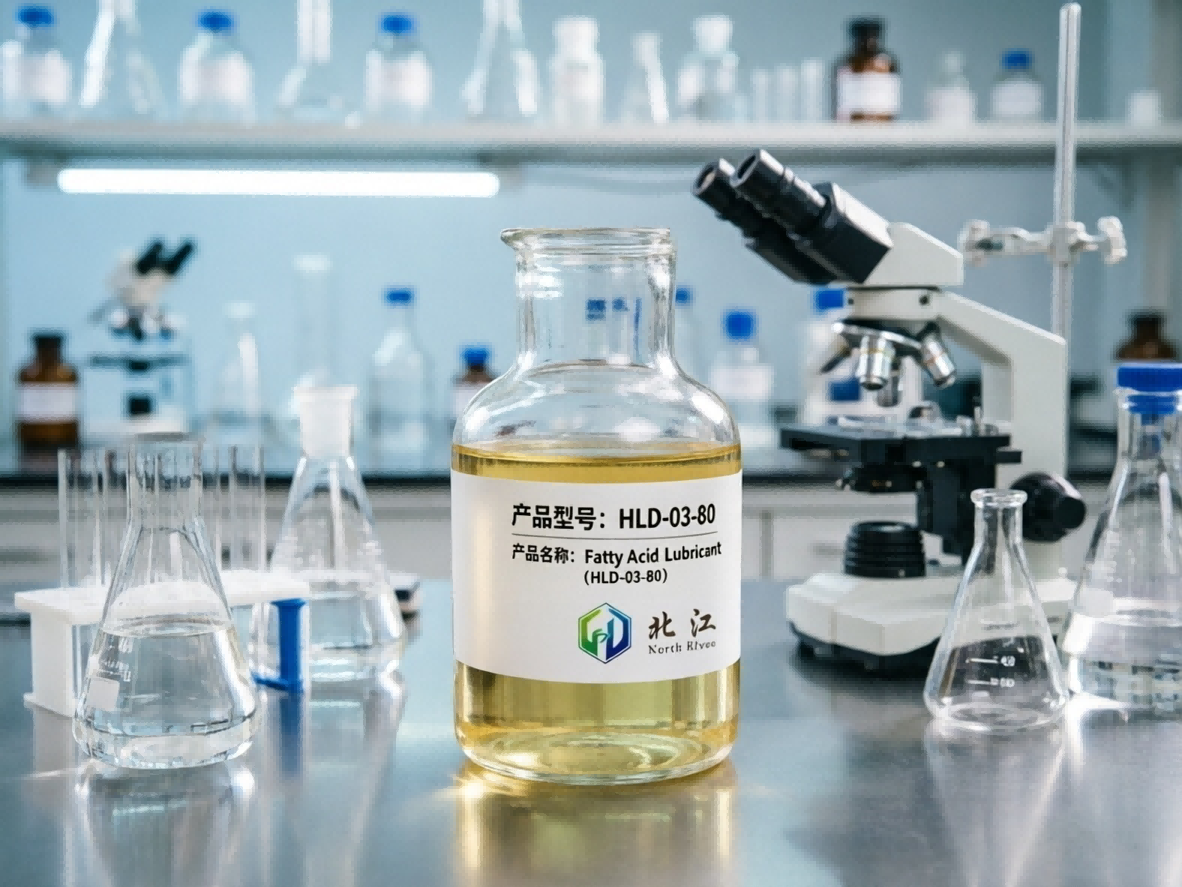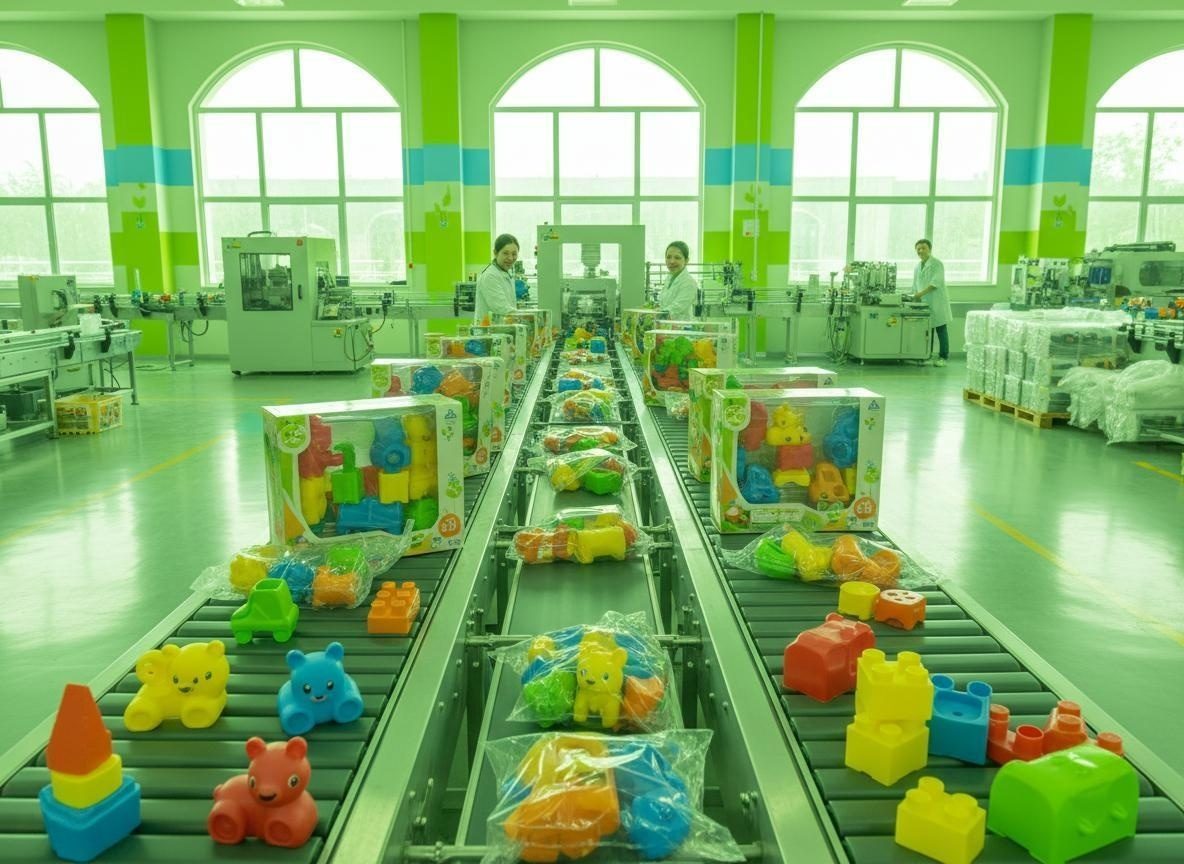
Beginning this study involving Oxidized Bean Liquid (ESO)
{Building doubts about traditional additives exhibit sparked that hunt in sound methods. Epoxidized soybean oil (ESO) arises as a hopeful candidate. Extracted from a green feedstock, ESO grants a notable cut in usage on nonrenewable fuels and helps to a amplified regenerative structure. As well, ESO affords remarkable adaptability and consistency to varied elastomeric ingredients, allowing for it a proper option for a diverse spectrum of applications.
Low-Odor Medical-Grade Category ESBO: Complying-With Rigorous Specifications
This development of low-odor medical grade ESBOs represents a significant evolution in patient care and relief. Traditional ESBOs often show noticeable odors, which can be bothersome for both patients and clinicians. Our new formulation utilizes advanced technology to limit odor generation, observing rigorous professional standards. These ESBOs are manufactured from first-class materials and undergo comprehensive testing to guarantee biocompatibility and supreme performance. Distinctly, this solution addresses the growing need for minimally invasive procedures with a profitable patient experience.
- Presents exceptional odor control.
- Adheres to required healthcare regulations.
- Created for maximum patient contentment.
High Resistivity ESBO: Enhancing Electrical Properties in Plastics
One novel system, Electrostatic Barrier Formation (ESBO), extends a encouraging route for improving the electrical properties of wide-ranging polymer constituents. By strategically handling outer voltage allocations, ESBO fabricates exceptionally barrier films on the component background, competently minimizing combined transmissivity. It outcomes give rise to to enhanced voltage division and opportunity for implementations in fields specifically soft devices and intense safeguard constructs.Renewable Plasticizer: ESBO's Role in Clean Ingredient Applications
This accelerating demand for environmentally conscious substances has encouraged scientists to study equivalents to traditional plasticizers. Presenting ESBO (Epoxidized Soybean Oil), such sustainable plasticizer derived from soybean – Epoxy Soybean Oil performing important job in facilitating environmentally caring fabrication of different biopolymer uses. Its capacity to strengthen adaptability and manageability while minimizing climate influence creates ESBO preferable selection for green-polymer films and numerous resin wares.ESBO Performance: Comparing Grades and Applications
Reviewing its effectiveness requires a intensive analysis at both scholastic evaluations and the total of delivered proposals. Commonly, a solid correlation is found between outstanding ratings and the possibility of accepted submissions; however, elements such as candidate experience and ancillary operations can additionally contribute a substantial function.
Grasping Epoxidized Soybean Oil (ESBO) and its Benefits
Epoxidized soya Oil (ESBO) is a enhanced form of seed oil, formulated through a chemical process that affixes epoxy groups. The results in a exclusive plasticizer and stabilizer, widely exploited in the synthetic industry. ESBO acts primarily as a replacement for deleterious phthalate plasticizers, delivering a more green solution. Consider the key benefits:- Fortifies flexibility and robustness of synthetics
- Minimizes the demand for unsafe phthalates
- Provides excellent heat stability
- Performs as a defender against degradation
- Supports a nature-positive processing process
Health Technology Manufacturing: Applying Low-Odor ESBO
Recent trends in health manufacturing are emphasizing a conversion toward cleaner processes. A crucial component of this is the implementation of low-odor ESBO (Embossed, Stuccoed, Bonded, and Oven-cured) polymers. Traditional ESBO manufacturing can discharge noticeable vapors, posing a difficulty for employee health and holistic facility environment. Low-odor ESBO solutions diminish these discharges, providing a healthier location and possibly curbing the need for considerable ventilation.- Merits include augmented air clarity.
- Diminishes exposure to dangerous VOCs.
- Facilitates obedience with exacting sustainability norms.
Boosting Plastic Durability: The Power of High Resistivity ESBO
Strengthen synthetics' prolonged resilience employing unmatched impedance this material. One advanced strategy markedly reduces deterioration brought on because of unfavorable conditions, namely light wave and physical pressure. This agent's signature conductive properties generate this defensive influence, effectuating by extended operational but also greater material stability.
ESBO: Prospects for Enhancers
Emerging as a promising alternative to traditional, petroleum-based additives, ESBO (Ethyl Soyate-based Oligomers) is attracting considerable traction within the materials industry. Derived from the soybean, this bio-based substance offers a green profile and the possibility to lower the carbon emissions of vinyl and other products. Initial studies indicate excellent performance comparable to usual plasticizers, suggesting ESBO could represent a significant component in shaping the trajectory of the modifier market.Finishing this analysis.