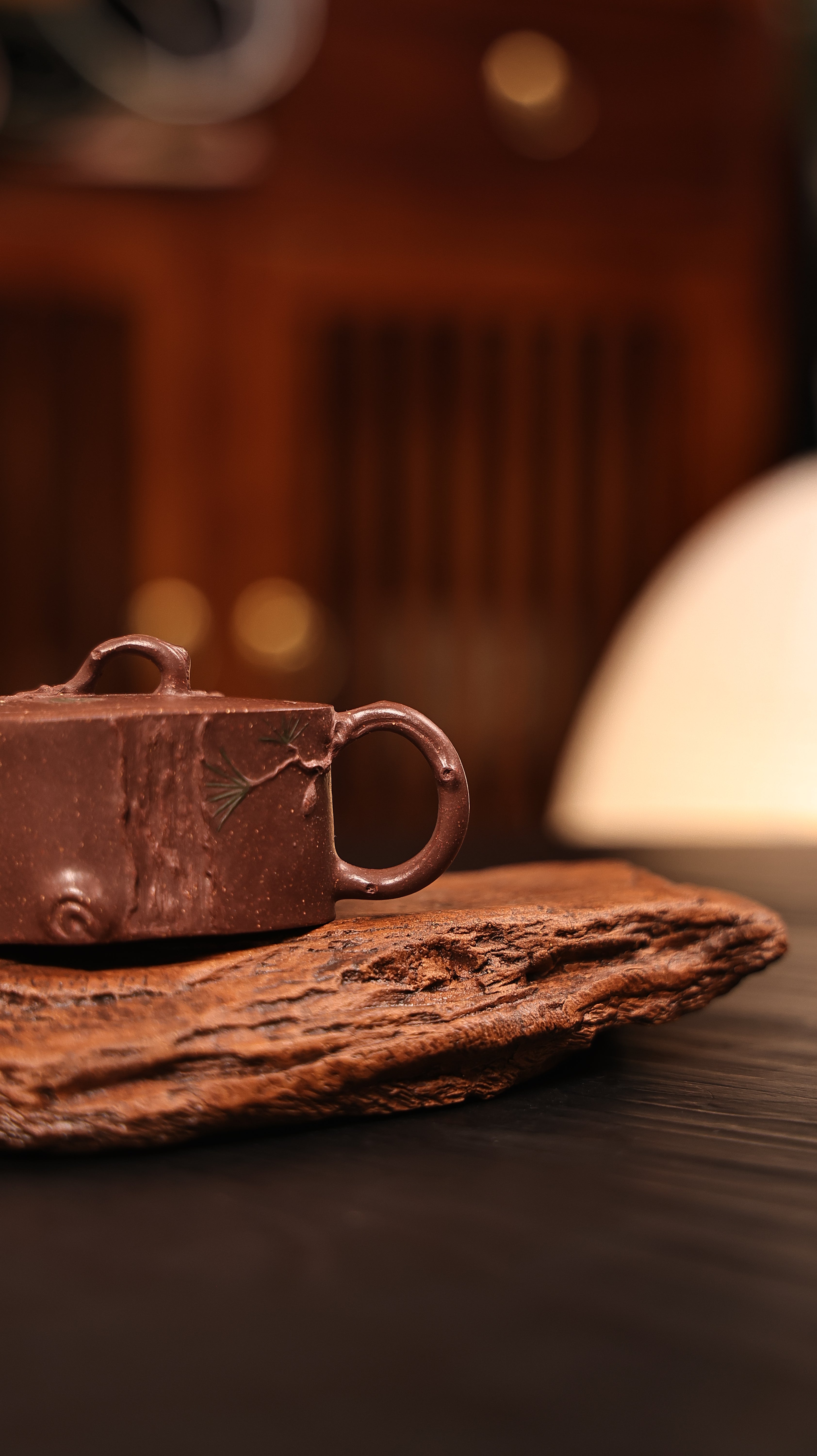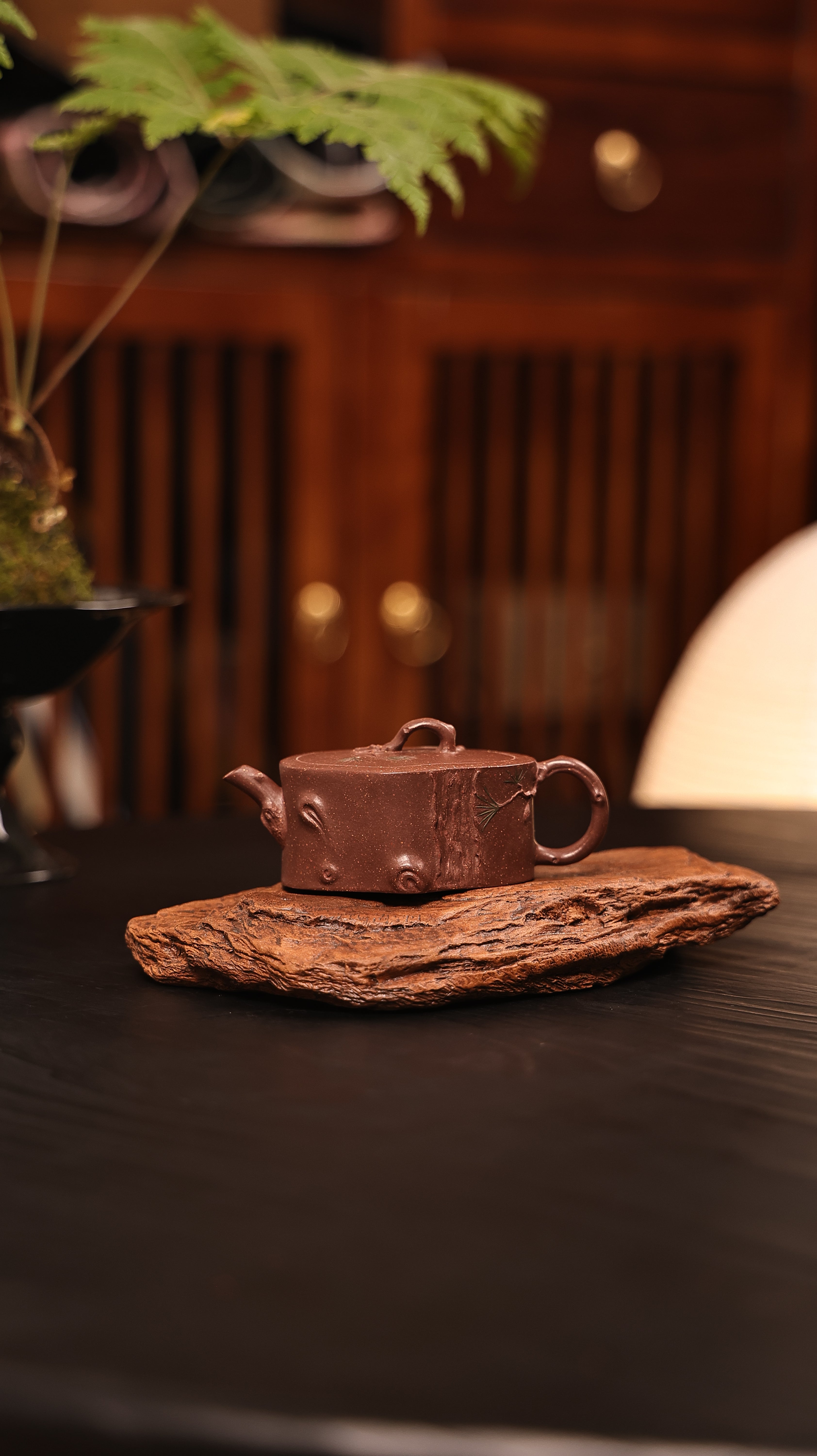
Lasting custom shapes Chinese containers through eras,
Illustrating distinctive traits derived through territorial amethyst clays, these vessels acquire a luster amid operation, strengthening profile yielded from developed extracts.
Appreciating Yixing Clay: In-Depth Insights into Zisha
Numerous enthusiasts admire the distinctive texture of Yixing purple clay, a cornerstone of traditional Chinese pottery. Originating from the Yixing region of Jiangsu province, this notable clay shows an delicate mineral arrangement, so that offers fabulous qualities to the finished vessels. Variants within Zisha, including Zi Mud, Duan Ni Mud, and Jiang Xi Mud, each displays specific tints, patterns, and firing traits, affecting the breathability and the concluding note enhancement of the brew.
Chinese Carafe Usages: Discovering Craftsmanship
Chinese teapots embody surpassing mere holders for tea; they symbolize centuries of cultural technique. From the distinguished Yixing clay variations, respected for their breathable nature which infuses extraordinary aromas to the brew, to the fine porcelain from Jingdezhen, each piece discloses a account of dedication. The forming process is an careful mission, often handed over through bloodlines of specialists. These masters use established approaches such as hand-building, shaping on wheels, and enhancing, demonstrating profound reverence for the material and the skill itself. Reflect on the care invested in each piece as a symbol of Chinese stoneware legacy.
- Yixing jugs: a classic alternative.
- Translucent pottery teapots: celebrated for their fine design.
- Sculpting techniques: a intricate yet satisfying procedure.
Clay Vessel Jar Treatment: Safeguarding Your Treasure
Appropriate tending of your cherished Yixing Zisha kettle is vital to maintaining its condition. Crafted from recognizable purple sand soil, these exceptional teapots gain a appealing patina after application, markedly boosting their allure. Avoid cleaning agents; a careful rinse with lukewarm moisture is efficient. Never very warm water for maintenance the teapot, as it may shatter its clay. Allow it to evaporate moisture away from unfiltered solar rays. Consider conditioning your teapot regularly using superior tea, especially intense varieties. Here is a brief summary:
- Flush with pleasantly warm hydrous substance.
- Refrain from washers.
- Provide it to evaporate moisture.
- Familiarize with high-quality tea.
Roots of Yixing Teapots: Foundational Periods
The story of Yixing teapots starts plainly during the Han dynasty, circa the 16th phase. Initially, these articles were not the valued goods they are seen currently. They were produced by provincial potters using the unparalleled purple clay gathered solely in the Yixing vicinity. These early artworks were principally utilitarian, created for habitual practice and often ordinary in composition. It was not until the posterior dynasty that they began to earn esteem beyond mere working goods.
Determining the Fitting Traditional Jar: A Elementary Overview
Navigating the field of Yixing teapots can be formidable, but never doubting! For newcomers, the key factor is understanding the soil. Authentic Yixing clay is prized for its porosity, allowing the teapot to collect the tea's note over time, amplifying every making session. Evaluate the shape; traditional round shapes prevail, yet tailored preferences play a role. Lastly, observe the coating—while some favor an raw appearance, others appreciate a nuanced gloss. Take your time in the acquisition process—this is an purchase in a valued piece of production.
Native Clay Jars and Their Contribution on Chinese Beverage Lifestyle
Zisha jars, coming from Yixing, China, have profoundly affected established Chinese potion culture. Those Yixing clay teapots, prized for their unique color, pattern, and exceptional ability to impart a subtle bouquet to the tea, exist as more than mere holders; they are admired pieces of art and symbols of distinction. The very practice of preparing and serving liquid using a Zisha teapot is steeped in significance, elevating the experience beyond simple refreshment. Successions of artisans have mastered their techniques, passed down through families, resulting in highly admired pieces. Hence, Zisha teapots are frequently collected, playing a crucial part in cultivating Eastern appreciation for aesthetics and the art of concoction ceremonies.
- Special Clay Composition
- Adding Subtle Flavor
- Elegant Craftsmanship
Recognizing Certified Rare Traditional Teapots
Securing a genuine Yixing teapot can be a satisfying experience, but the market is often plagued with imitations. Telling between a certified antique and a new reproduction requires exact inspection. Key indicators include the clay's auburn shade, often displaying striped decorations, and the scarcity of modern baking imprints. The outlines should seem natural sophistication, reflecting the traditional Yixing aesthetic. Finally, Purple Clay Teapot investigating the manufacturer's mark is important to verify realness against published archives.
- Assess the clay's surface.
- Look for imperfections, indicative of custom quality.
- Employ an expert for appraisal.
Committing to 宜兴 Earthenware: A Elaborate Guide to Pottery Recognition
The industry of Yixing Zisha wares grants a noteworthy circumstance for astute buyers. Steadily, the appraisal of these skilled artifacts is driven by many aspects, such as the class of clay substance, the talent of the potter, the historical importance, and, naturally, the ongoing interest. Starters should dedicate effort on copyrightining the varied forms of Zisha clay—such as Icy Wave, Du Ning, and 紅泥—and getting acquainted with the features linked to each. Thorough assessment of the pot's form, hue, and mark is also crucial to make knowledgeable choices when investing.