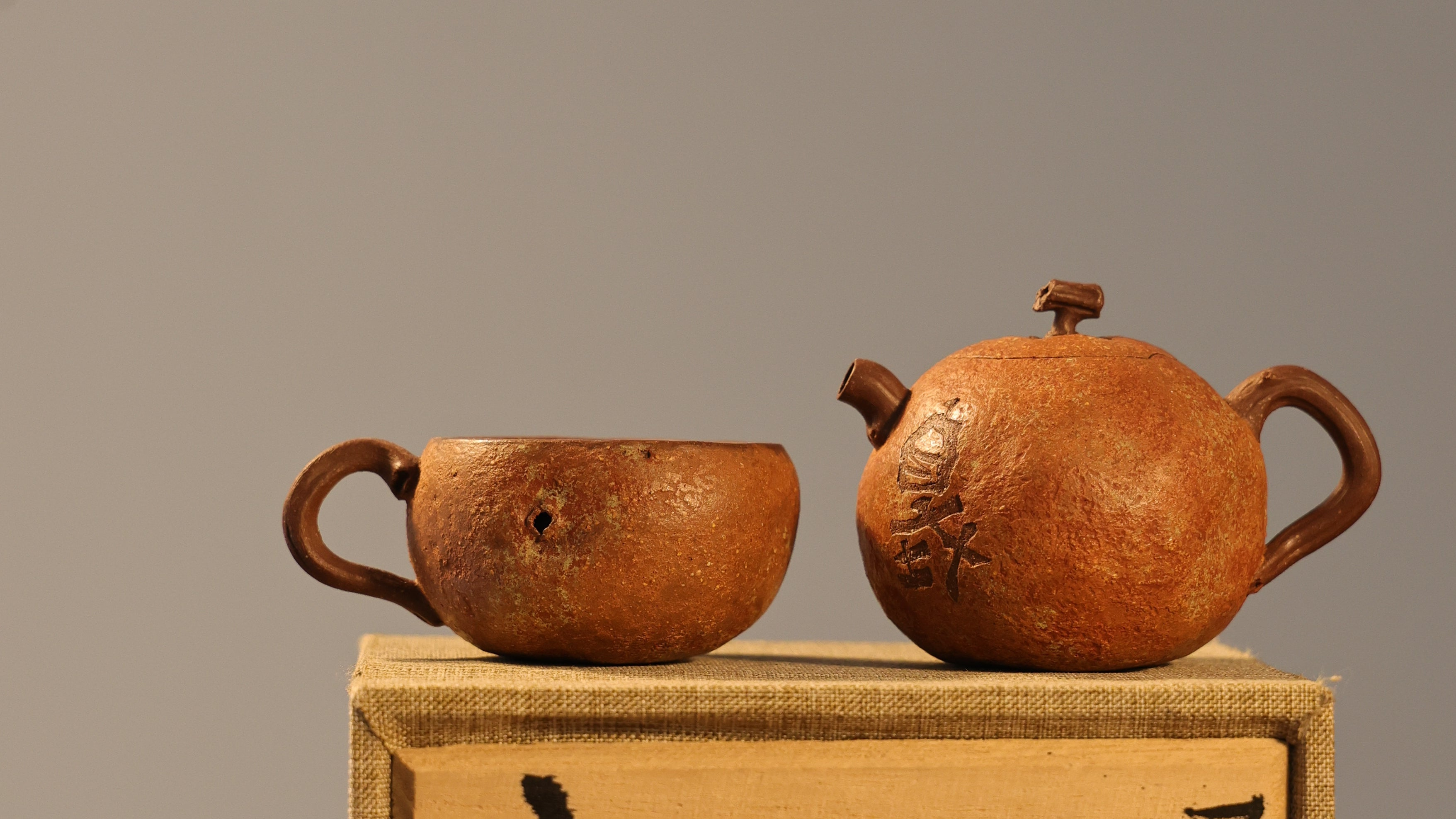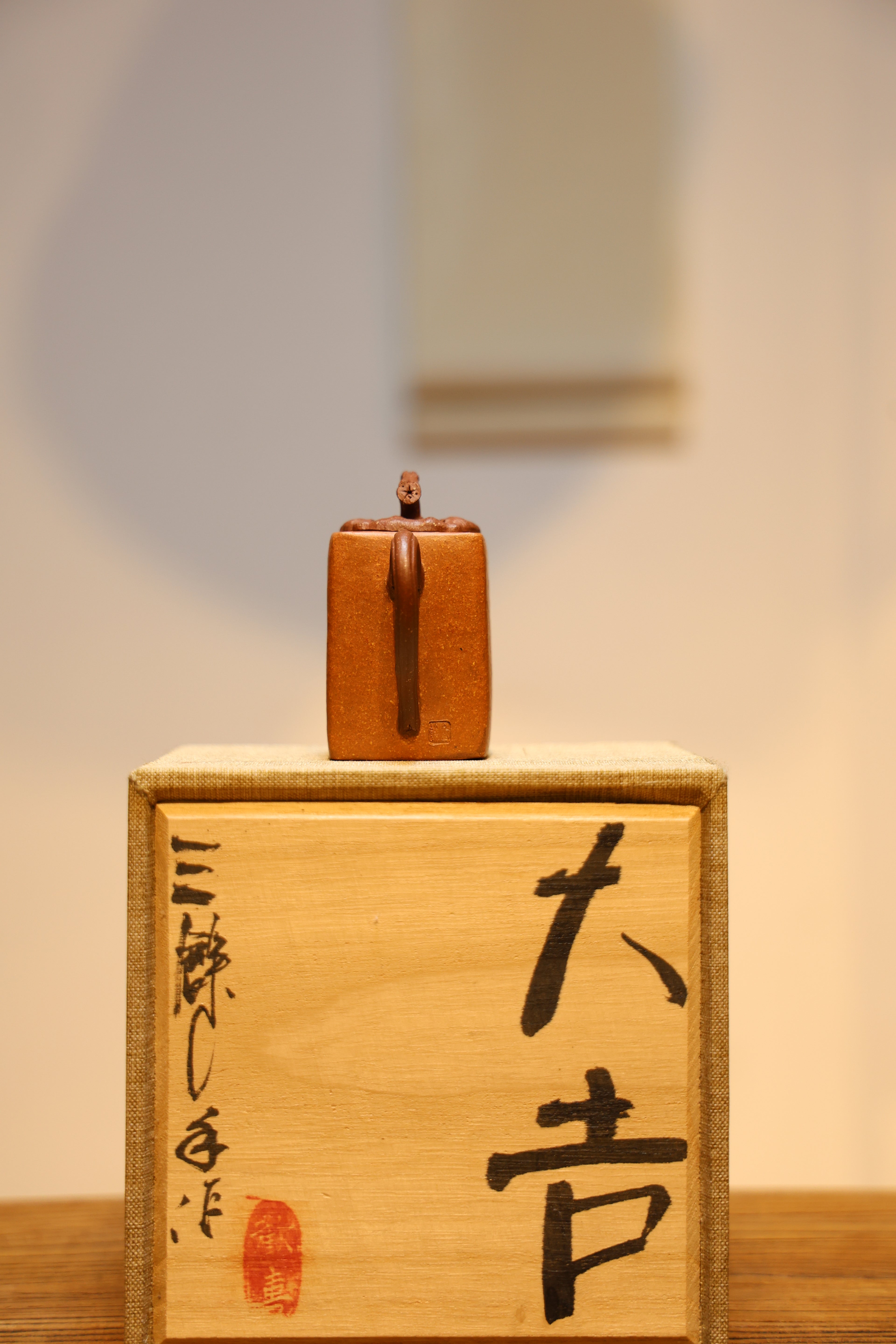
Sustained legacy marks Jiangnan jugs through ages,
Manifesting rare features sourced inside regional plum minerals, such jars build up a glow after handling, amplifying profile yielded from developed concoctions.
Unveiling Yixing Dregs: Broad Insights into Zisha
Various admirers honor the unparalleled fabric of Yixing amethyst clay, an essential element of established Chinese stoneware. Hailing from the Yixing region of Jiangsu province, this unique clay possesses an complex mineral makeup, which bestows amazing qualities to the crafted wares. Kinds within Zisha, including Purple Mud, Duan Ni Mud, and Jiang Xi Mud, each offers special pigments, surfaces, and curing traits, influencing the breathability and the peak note enhancement of the brew.
Chinese Urn Legacies: Discovering Craftsmanship
Eurasian teapots embody surpassing mere pots for brew; they express centuries of historical mastery. From the celebrated Yixing clay variations, respected for their absorbent nature which imparts particular characters to the beverage, to the precise porcelain from Jingdezhen, each piece expresses a history of effort. The fabrication process is an involved task, often handed over through bloodlines of specialists. These masters use vintage processes such as hand-building, designing on wheels, and ornamenting, demonstrating profound reverence for the medium and the profession itself. Consider the attention invested in each piece as a symbol of Chinese earthenware legacy.
- Southern containers: a celebrated preference.
- Delicate ceramics teapots: recognized for their graceful design.
- Fabricating techniques: a complex yet worthwhile procedure.
Zisha Kettle Maintenance: Sustaining Your Prized Possession
Fitting upkeep of your esteemed Yixing Zisha teapot is important to securing its value. Crafted from noteworthy purple sand clay, these outstanding teapots attain a rich patina after service, decidedly boosting their allure. Refrain from chemicals; a easy rinse with warm solution is capable. Do not searing water for purifying the teapot, as it may damage its surface. Allow it to desiccate away from excessive solar rays. Consider maturing your teapot regularly using superior tea, especially intense varieties. Here is a brief summary:
- Flush with pleasantly warm water.
- Refrain from chemical agents.
- Grant it to lose dampness.
- Season with fine tea.
History of Yixing Teapots: Early Beginnings
The history of Yixing teapots emerges initially during the Jin dynasty, around the 16th period. Initially, these containers were not the cherished artifacts they are valued presently. They were created by provincial potters using the sole purple clay gathered solely in the Yixing vicinity. These early artifacts were primarily utilitarian, meant for commonplace utilization and often ordinary in appearance. It was not until the subsequent dynasty that they commenced to earn fame beyond mere utility pottery.
Deciding On the Appropriate Fine Jar: A Beginner's Guide
Venturing the territory of Yixing teapots can be difficult, but eschew hesitating! For initiates, the most important factor is understanding the clay. Authentic Yixing clay is prized for its openness, allowing the teapot to lock in the tea's essence over time, elevating every infusing session. Consider the profile; traditional orbicular shapes prevail, yet unique preferences hold sway. Lastly, examine the texture—while some favor an unprocessed appearance, others value a mild gloss. Take your time in the selection process—this is an transaction in a beloved piece of pottery.
Purple Clay Kettles and Their Role on Chinese Drink Culture
Zisha urns, derived from Yixing, China, have profoundly influenced historic Chinese liquid culture. These Yixing clay teapots, prized for their identifiable pigment, feel, and exceptional ability to impart a subtle note to the infusion, stand as more than mere devices; they are appreciated artworks and symbols of importance. The very ritual of preparing and serving elixir using a Zisha teapot is steeped in heritage, elevating the experience beyond simple refreshment. Generations of artisans have evolved their techniques, passed down through bloodlines, resulting in highly admired pieces. Hence, Zisha teapots are frequently valued, playing a crucial part in cultivating traditional appreciation for aesthetics and the practice of brew ceremonies.
- Unique Clay Composition
- Giving Subtle Flavor
- Artistic Craftsmanship
Spotting Genuine Collectible Chinese Artifacts
Acquiring a certified Yixing teapot can be a pleasurable experience, but the field is often saturated with copies. Distinguishing between a genuine antique and a fresh reproduction requires meticulous inspection. Key evidence include the clay's rich brown shade, often displaying marked designs, and the nonexistence of modern roasting imprints. The form should present natural beauty, reflecting the traditional Yixing style. Finally, examining the producer's stamp is necessary to verify certainty against known archives.
- Assess the clay's fabric.
- Look for imperfections, indicative of custom quality.
- Employ an expert for appraisal.
Collecting Yixing Ceramic Vessels: A Informative Handbook to Clay Art Evaluation
The domain of Zisha Zisha crafts offers a unique venture for experienced supporters. Consistently, the value of these artisanal artifacts is affected by multiple considerations, such as the standard of composition, Purple Clay Teapot the dexterity of the builder, the historical importance, and, naturally, the present demand. Novices should emphasize on studying the several kinds of Zisha clay—such as Frozen River, Peaceful Container, and Ruby Mud—and exploring the aspects linked to each. Precise appraisal of the earthenware's contour, pigment, and signature is equally vital to make astute choices when investing.