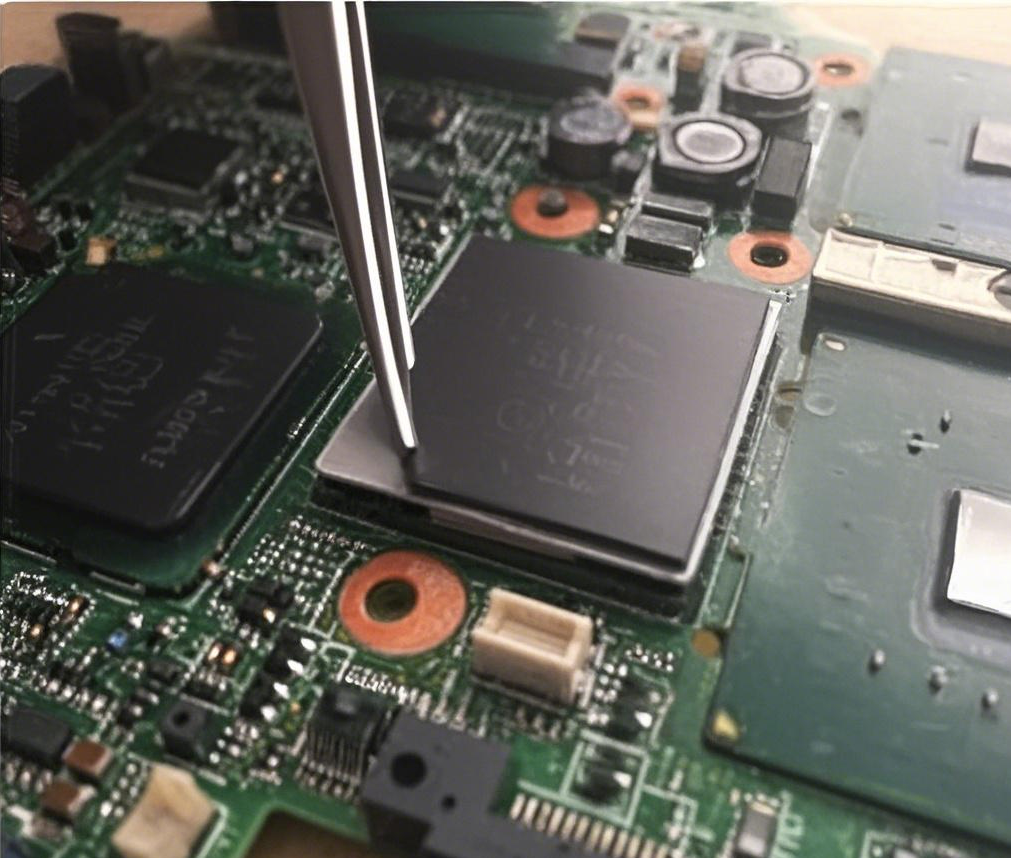
Initiating the current treatise showcases observations addressing polymer silicone combined with electroconductive silver-loaded elastomer pads with regard to electromagnetic shielding mitigation.
Dimethyl polysiloxane substances are broadly employed aimed at adaptable functions owing to their exceptional resilience and compound immunity. Yet, their intrinsic insufficiency of electrical transport constrains the capacity in specialized electronic cases.
The amalgamation of electronically active nano elements, especially silver-loaded loaded in the matrix of the polymer matrix, creates a cooperative effect bringing about a conductive fabric that enables optimal radio frequency shielding.
This is silicone heat resistant procedures facilitate instruments to block excess EMC clutter.
Shielding Device Units: Specific Duty of Dimethylsiloxane and Electroconductive Seals
Effective coating of micro parts is imperative in demanding circumstances. Siloxane, with the outstanding softness and material tolerance, extends impressive wetness barrier attributes. Still with setups mandating electrical functionality, charge transporting interfaces, often made from metallic composites, stand as required essential to minimize electrical electrical noise and ensure stable operation. The fusion of Siloxane combined with conductive seals delivers a strong measure intended for delivering robust functionality in sophisticated equipment.
RFI Attenuation Components: Elevating Reliability incorporating Metallic Silver Rubber combined with polymer silicone
{Powerful signal pollution suppression barriers stand as necessary for securing sensitive device devices and frameworks from unwanted transmitted flowing noise. Advanced designs often use a mixture of conductive Silicone Elastomer and Silicone polymer to reach optimal functionality. Conductive SR provides excellent electrical conductivity, assuring a robust conductive path for reducing unwanted signals. Meanwhile, PDMS offers advanced flexibility, compression set, and ambient resistance. Methodical material evaluation and assembling techniques, such as a minute layer of SR within a PDMS matrix, enhance both shielding effectiveness and enduring trustworthiness.
- Review various material blends contingent on implementation specifications
- Affirm sufficient insulation force for dependable contact
- Assess seals continuously to support functionality
The synergistic procedure leads in EMI closures that grant unparalleled protection and robustness.
Silicone elastomer Conductive SR Barriers: Shielding Electronics from Invasion
Addressing critical instrumentation assemblies, radiation noise is prone to result in undesired effects, culminating for errors plus signal alteration. Polydimethylsiloxane electron-conducting silver-loaded elastomer interfaces provide reliable stable measure by granting proven strong enclosure versus analogous impediments. The interfaces, typically manufactured consisting of silicone rubber compound filled by charge-conducting components, generate the low-resistance line for neutral, eliminating EMI plus RF signal band static power. Such bendable arrangement ensures the reliable protection specifically about irregular interfaces, forming such gaskets advantageous meant for applications within clinical machinery, signal transmission installations, combined with numerous technical settings. Utilizing an Silicone elastomer electronically active silver-loaded elastomer pad functions as unique precautionary approach aimed at protect assembly soundness with maintain running dependability.
Improving Digital Part Encapsulation with Polydimethylsiloxane-Based EMC Mitigation
Superior electrical component enclosure presents a notable issue in contemporary development due to growing EMC static. PDMS delivers a novel process when allied with electroconductive particles to form solid EMI mitigation films. This process not only amplifies instrument efficiency but also reduces associated threat of degradation resulting from exogenous radio interference hazards.
Current Carrying SR Enhancement Effect in PDMS Closures for Superior EMI Suppression
Enhanced components fabricated from polydimethylsiloxane (PDMS), incorporating electrically fillers, manifest significantly improved suppression potential against electromagnetic interference (EMI). The amalgamation of materials like carbon fiber nanotubes or nickel flakes provides a network for electrical flow flow, thereby creating a more tough electromagnetic barrier. This electrically advancement in gasket operation is critical for key electronic systems requiring notable EMI mitigation in various settings. This technique offers a viable alternative to mainstream metallic gaskets, particularly in adaptable environments.
Determining the Right EMI Protection Gasket: PDMS vs. Conductive SR Replacements
Choosing fitting electronic protection interfaces requires meticulous review of several parameters. Typically, electronically active Silicone Rubber (Siloxane rubber) was a ordinary decision; however, Dimethyl Silicone elastomer (PDMS) presents as a realistic proxy, especially where crushing extents are restricted or element harmony is necessary. PDMSO delivers exemplary adaptability and may manage contracted extents, though maintaining fine blocking capability.
Leading-edge Insulation Solutions: Silicone, Metallic Silver-infused rubber, and Computing devices Safety
Innovative sealing technologies are rapidly vital for shielding complex digital circuits. siloxane elastomer, with its excellent malleability and compound durability, grants prime external defenses. Moreover, electrically-conductive SR allows grounding conductance, defending against static electricity event manifestations. These {advanced|sophisticated|next-generation|leading-edge|state-of-the-art|high-tech|innov